Episodes

228
Nov. 28, 2022
228. Editing the Adams Family Papers with Dr. Sara Georgini
The Adams Family is one of the more prominent families in American history. They were at the center of the American Revolution, they helped create a new republic, shaped the young nation’s foreign policy, and later were central to the development of the history profession. Fortunately, we know much about their lives because of the countless letters and diaries they’ve left us. And it is up to a team of editors at the Massachusetts Historical Society to help us make sense of it all. On toda...
Guest: Dr. Sara Georgini
227
Nov. 14, 2022
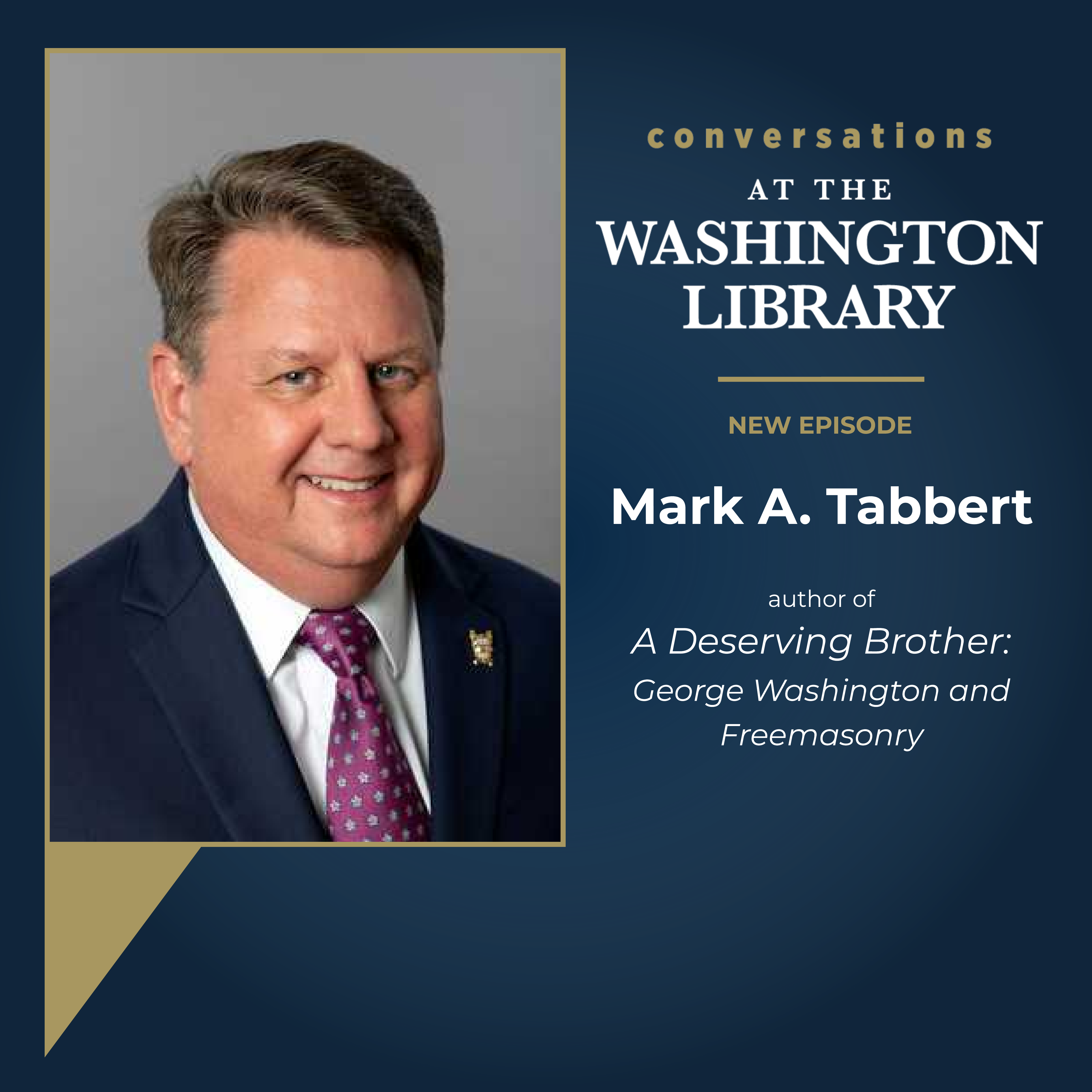
227: Welcoming a Deserving Brother with Mark Tabbert
In 1752, George Washington joined the Masonic Lodge in Fredericksburg, Virginia. He was just twenty years old. Despite his early interest in masonry, Washington was not as active in the organization as some might imagine, but Masonic Lodges became important sites of social gathering for men in early America. And while masons and masonic rituals played important roles in the American Revolution and in the early days of the Republic, you won’t find any conspiracy theories here. On today’s sh...
Guest: Mark A. Tabbert
226
Oct. 31, 2022
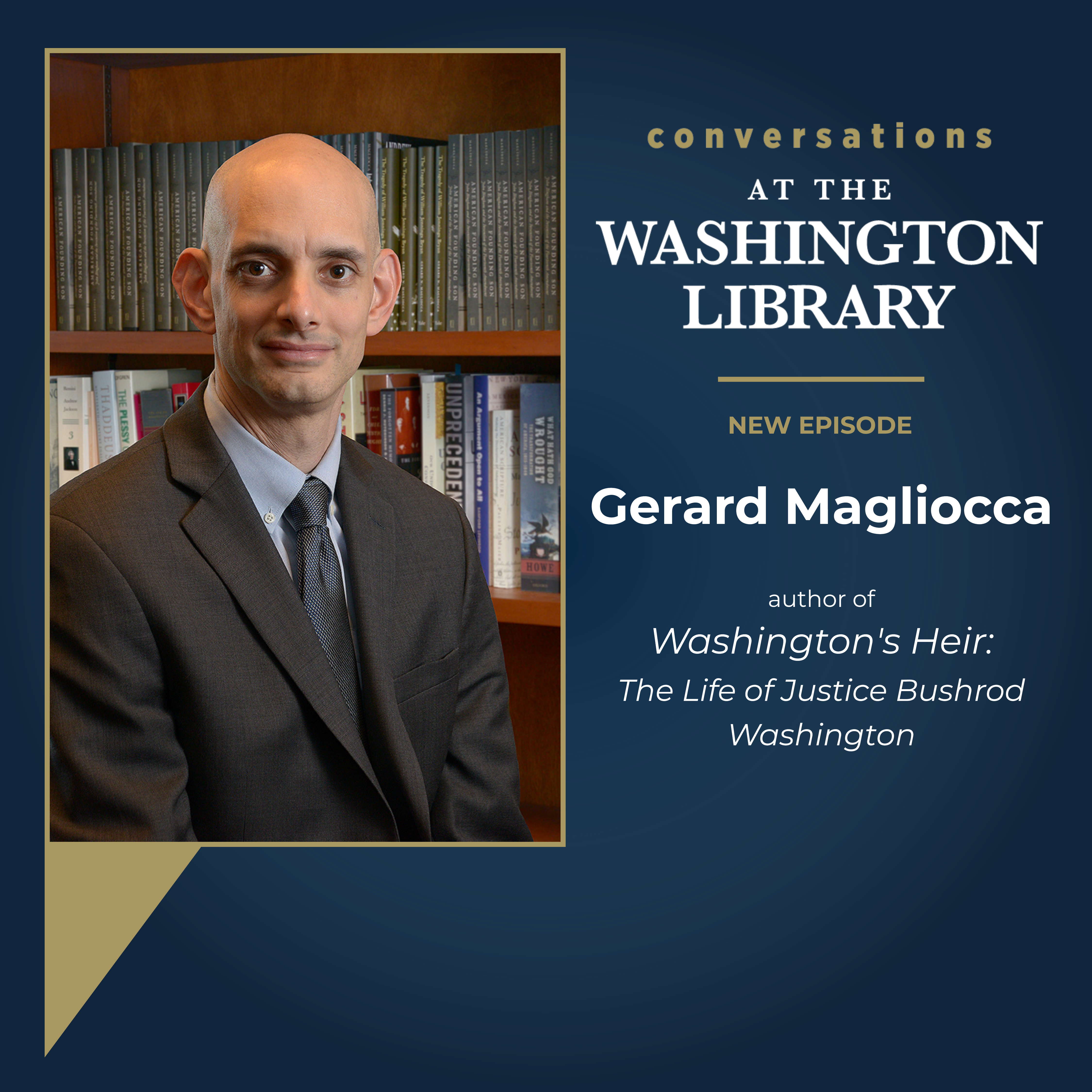
226. Cross-examining Washington's Heir with Prof. Gerard Magliocca
When George Washington wrote his final will in the months before he died in December 1799, he named Bushrod Washington as heir to his papers and to Mount Vernon. He took possession of his uncle’s Virginia plantation when Martha Washington passed away in 1802. But Bushrod was not as interested in agriculture as George had been. He was a lawyer who later became an Associate Justice on the United States Supreme Court, where he became a staunch ally of Chief Justice John Marshall. Yet, like Ge...
Guest: Gerard N. Magliocca

224
June 24, 2022
224. Unpacking the Slave Empire with Dr. Padraic Scanlan
In the early decades of the nineteenth century, the British Empire began dismantling the slave system that had helped to build it. Parliament banned the transatlantic slave trade in 1807, and in 1833 the government outlawed slavery itself, accomplishing through legislative action what the United States would later achieve in part by the horrors of civil war. Abolition has long been a cause célèbre in the British imagination, with men like William Wilberforce receiving credit for moving the em...
Guest: Padraic X. Scanlan

223
May 19, 2022
223. Attending a Lecture on Female Genius with Dr. Mary Sarah Bilder
In May 1787, George Washington arrived in Philadelphia to attend the Constitutional Convention. One afternoon, as he waited for the other delegates to show up so the convention could begin, Washington accompanied some ladies to a public lecture at the University of Pennsylvania by a woman named Eliza Harriot Barons O’Conner. Eliza Harriot, as she signed her name, had led a transatlantic life steeped in revolutionary ideas. On that May afternoon she argued in favor of the radical notion of Fem...
Guest: Dr. Mary Sarah Bilder

222
March 25, 2022
222. Winning a "Compleat Victory" at Saratoga with Dr. Kevin Weddle
The Battle of Saratoga in September and October of 1777 was a decisive turning point in the American War for Independence. The American victory over the British in northern New York put a stopper to London’s dreams of a swift end to the war, and convinced the French to openly declare their support for the colonial rebels. It was, in the words of one American participant, a "Compleat Victory." Yet, if we focus on the battles alone, we lose site of the entire campaign, the colorful personalitie...
Guest: Kevin J. Weddle
221
March 9, 2022
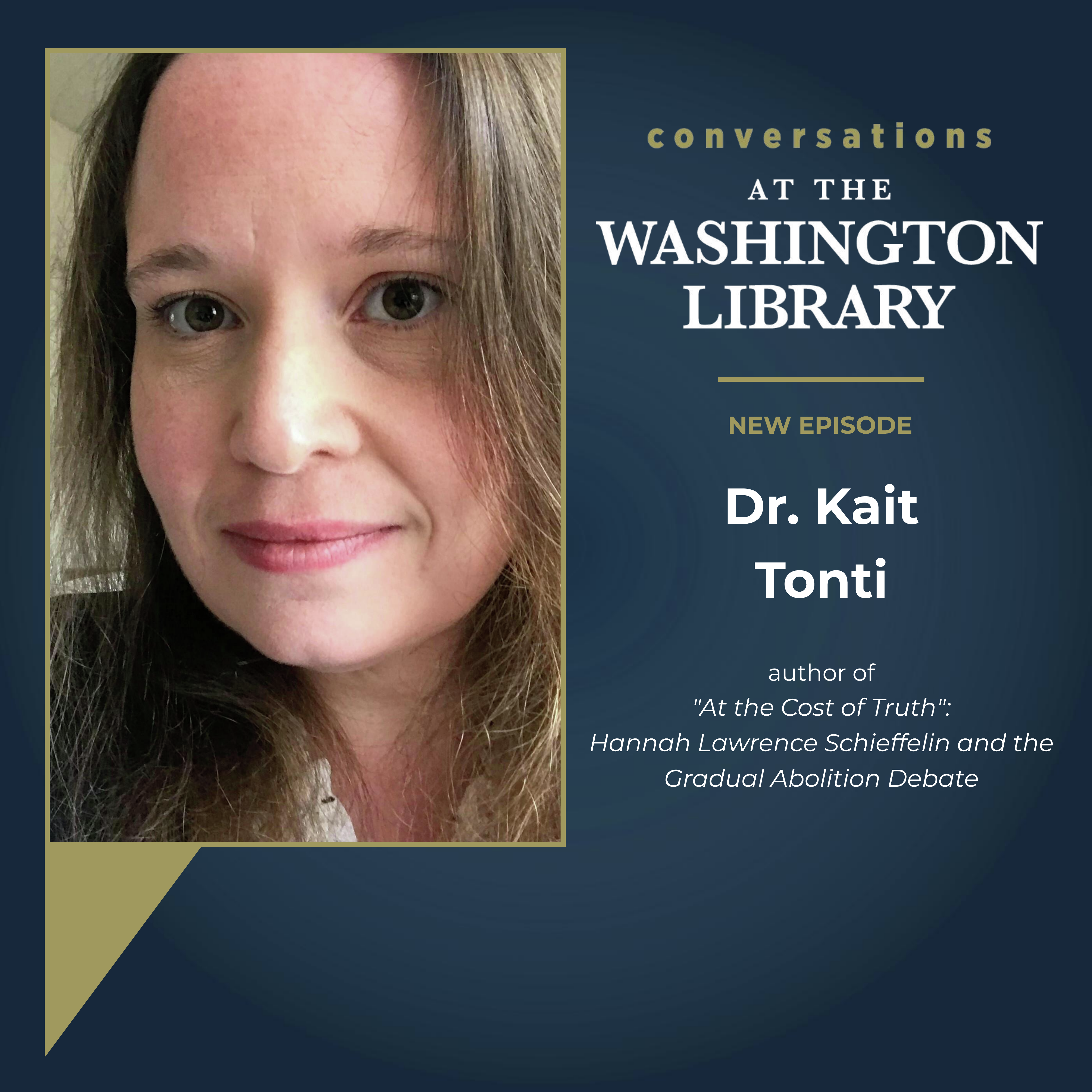
221. Reading the Political Poetry of Hannah Lawrence Schieffelin with Dr. Kait Tonti
Hannah Lawrence Schieffelin was an American poet who rhymed about some of the most important issues facing the early United States in the eighteenth century, including the British occupation of New York City during the American Revolution, the debate over the gradual abolition of slavery in the early days of the republic, and the legacy of George Washington. Schieffelin sat at the heart of the New York literary scene in these years, but until recently, most of her manuscript poetry remained u...
Guest: Kait Tonti

220
Feb. 18, 2022
220. Educating Early Americans with Drs. Mark Boonshoft and Andrew O'Shaughnessy
If you had been alive in eighteenth-century America, you would've had little opportunity for formal schooling or an advanced education. Unless you were among the elite or at least of some means, your chances of attending a local academy or Harvard College weren’t great. But the American Revolution ushered in a new era of education in the United States that paved the way for the educational opportunities we take for granted today. Education became seen as central to the survival of the republi...
Guests: Mark Boonshoft , Andrew J. O’Shaughnessy
219
Feb. 2, 2022
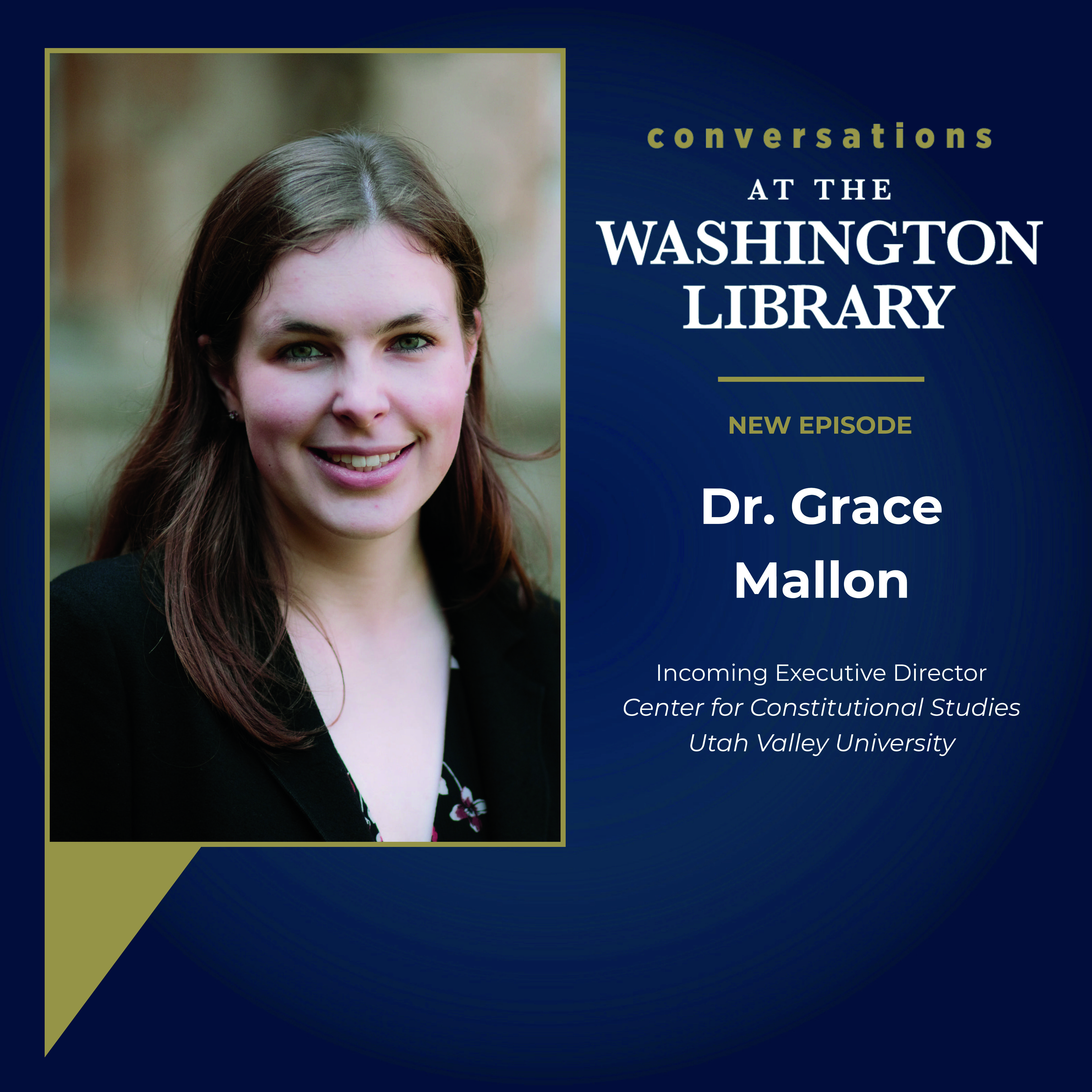
219. Negotiating Federal-State Relations with Dr. Grace Mallon
For years after the ratification of the Constitution, Americans debated how the Federal Government and the several states should relate to each other, and work together, to form a more perfect union. The success, if not the survival, of the new republic depended on these governments cooperating on any number of issues, from customs enforcement to Native American policy. But where there was collaboration there was also friction among them over matters like state sovereignty, slavery, and land. Un...
Guest: Grace Mallon
221
Jan. 20, 2022
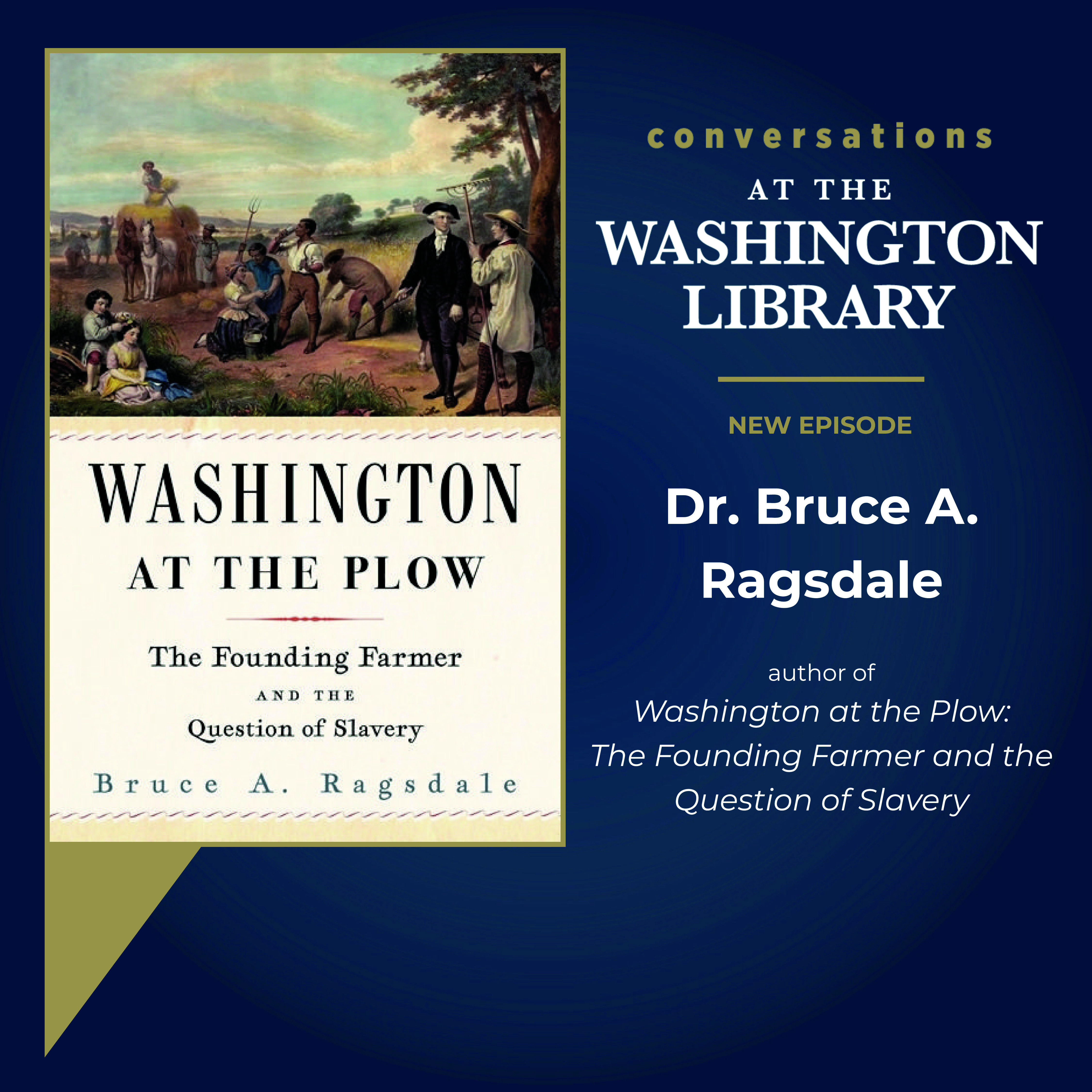
218. Finding Washington at the Plow with Dr. Bruce Ragsdale
In the 1760s, tobacco was one of Virginia’s chief exports. But George Washington turned away from the noxious plant and began dreaming of wheat and a more profitable future. Washington became enamored with new ideas powering the agricultural revolution in Great Britain and set out to implement this new form of husbandry back home at Mount Vernon. His quest to become a gentleman farmer reshaped Mount Vernon’s landscape and altered the lives of the plantation’s enslaved community, and his own i...
Guest: Bruce Ragsdale
217
Jan. 6, 2022
217. Exploring Star Territory with Dr. Gordon Fraser
In the 18th and 19th centuries, North Americans looked up at the sky in wonder at the cosmos and what lay beyond earth’s atmosphere. But astronomers like Benjamin Banneker, Georgia surveyors, Cherokee storytellers, and government officials also saw in the stars ways to master space on earth by controlling the heavens above. And print technology became a key way for Americans of all stripes to find ways to understand their own place in the universe and their relationship to each other. On today’s...
Guest: Gordon Fraser
216
Dec. 23, 2021
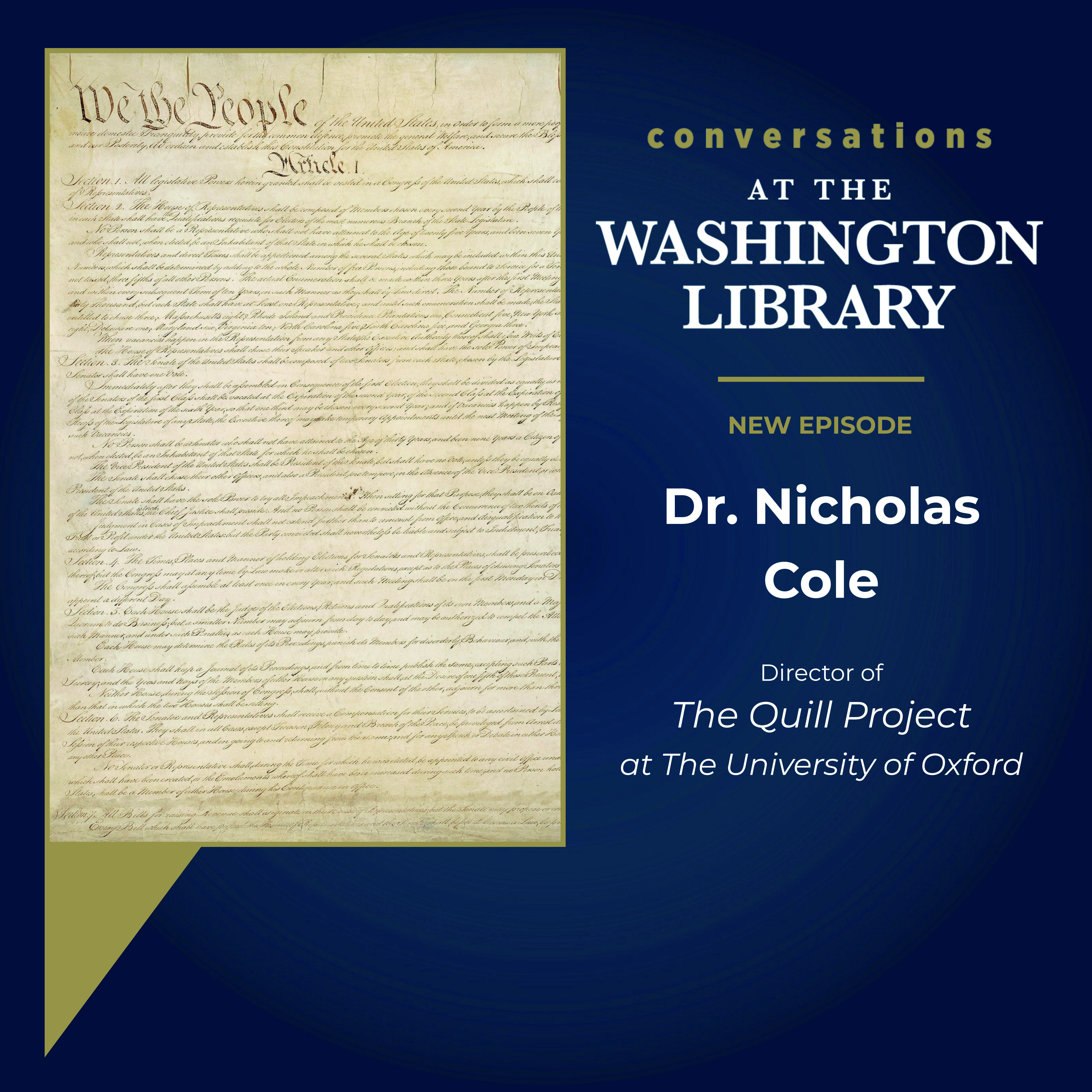
216. Digitally Deconstructing the Constitution with Dr. Nicholas Cole
When delegates assembled in Philadelphia in the Summer of 1787 to write a new Constitution, they spent months in secret writing a document they hoped would form a more perfect Union. When we talk about the convention, we often talk of the Virginia Plan, the Connecticut Compromise, the 3/5ths clause, and other major decisions that shaped the final document. What’s harder to see are the long days the delegates spent haggling over numerous proposed amendments, precise words, phrases, and ideas that...
Guest: Nicholas Cole
215
Dec. 2, 2021
215. Reading Thomas Paine's Rights of Man with Dr. Frances Chiu
For most Americans, Thomas Paine is the radical Englishman, and former tax collector, who published Common Sense in early 1776. His claim that hereditary monarchy was an absurdity and that the “cause of America was in great measure the cause of all mankind” galvanized American rebels into thinking more seriously about independence than they had only a few months before. Paine would go on to publish The American Crisis and other writings during the America Revolution before trying to find his ...
Guest: Frances A. Chiu
216
Nov. 17, 2021
Previewing Episode 1 of Intertwined: The Enslaved Community at George Washington's Mount Vernon
On this week's show, we bring you Episode 1 of Intertwined: The Enslaved Community at George Washington's Mount Vernon. Entitled "Passages," it features the life of Sambo Anderson, who was just a boy when he was captured in West Africa, survived the Middle Passage, and purchased by an ambitious George Washington sometime in the late 1760s. During his years of enslavement at Mount Vernon, Anderson became a carpenter, a husband, and a father. In this episode, we tell the story of Anderson’s life t...
Guests: Brenda E. Stevenson , Jessie MacLeod , John C. Coombs , Lorena Walsh , Lynn Price Robbins , Brenda Parker

214
Nov. 4, 2021
214. Weaponizing Settlement in Nova Scotia with Dr. Alexandra Montgomery
Although you might not realize it, in the years before the American Revolution, Nova Scotia was all the rage. People concocted various schemes to settle it, and the British government saw it as one of the keys to its new vision of empire after the Seven Years War. Nova Scotia has a fascinating, often troubled history. Indigenous peoples and European powers competed for the land, and access to the colony’s lucrative fishing grounds, drawing maps to stake their claims, making war, and in the case ...
Guest: Alexandra L Montgomery
213
Oct. 23, 2021
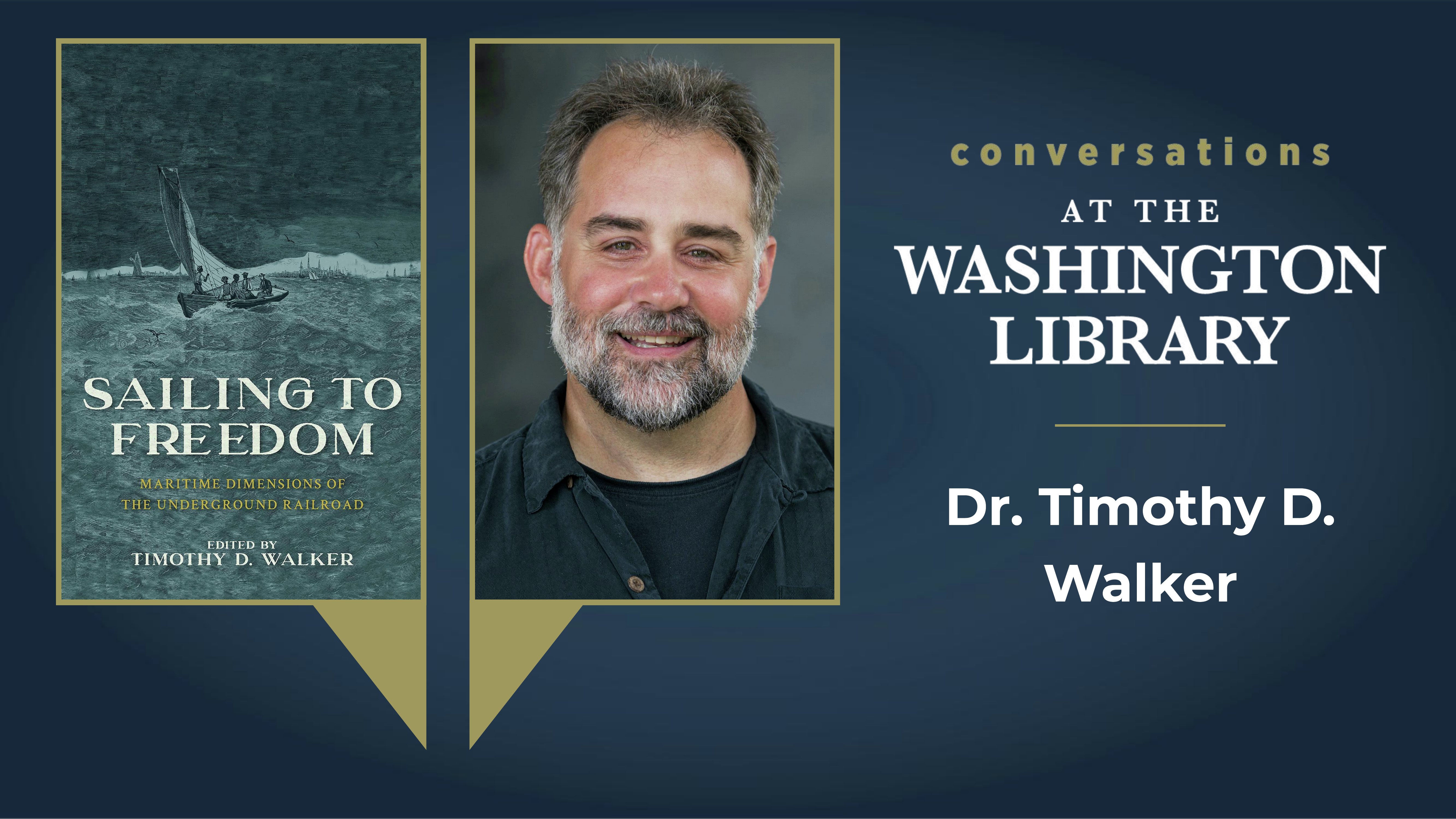
213. Sailing to Freedom with Dr. Timothy D. Walker
In May 1796, an enslaved woman named Ona Judge fled the presidential household in Philadelphia and escaped to freedom on a ship headed for New Hampshire. Judge’s successful flight was one of many such escapes by the sea in the 18th and 19th centuries. Enslaved people boarded ships docked in ports great and small and used coastal water ways and the ocean as highways to freedom. We often learn about the Underground Railroad in school, but what about its aquatic component? On today’s episode, Dr. T...
Guest: Timothy D. Walker

212
Oct. 6, 2021
212. Recruiting the Hero of Two Worlds with Mike Duncan
To kick off Season 6, we bring you the story of America’s Favorite Fighting Frenchmen. In 1777, the Marquis de Lafayette sailed from France with a commission as a major general in the Continental Army. Unlike many other European soldiers of fortune, Lafayette paid his own way and had no expectation that he would be placed at the head of American forces. We best remember Lafayette for his service in the American Revolution, his close relationship with George Washington, and the key to the B...
Guest: Mike Duncan